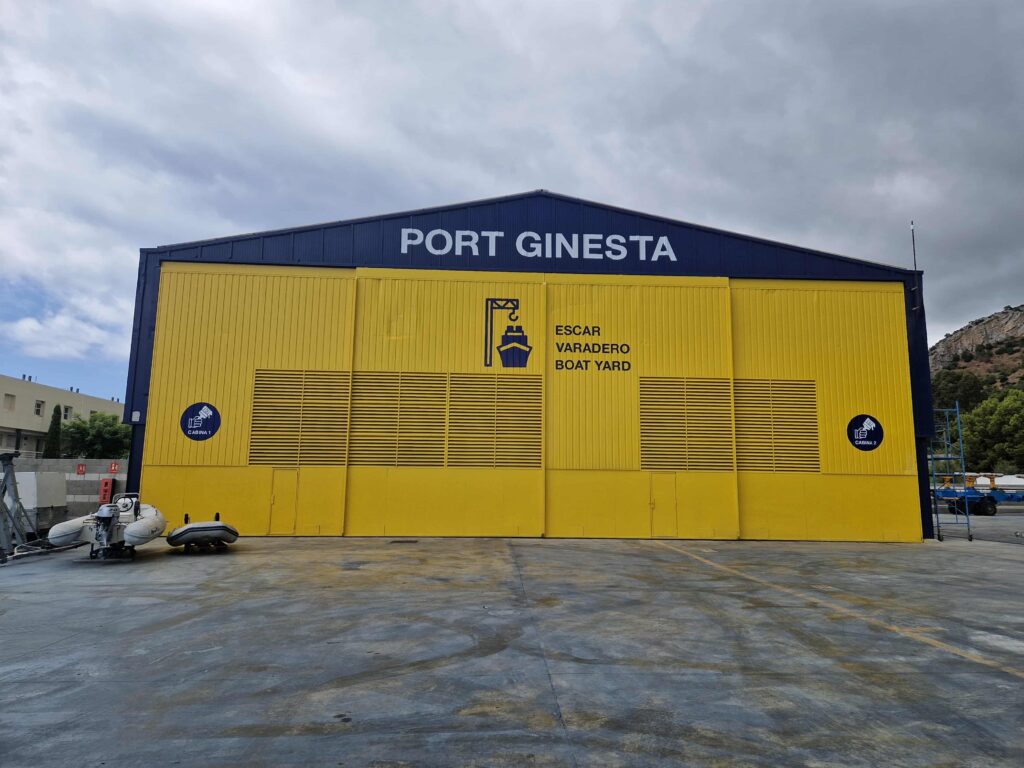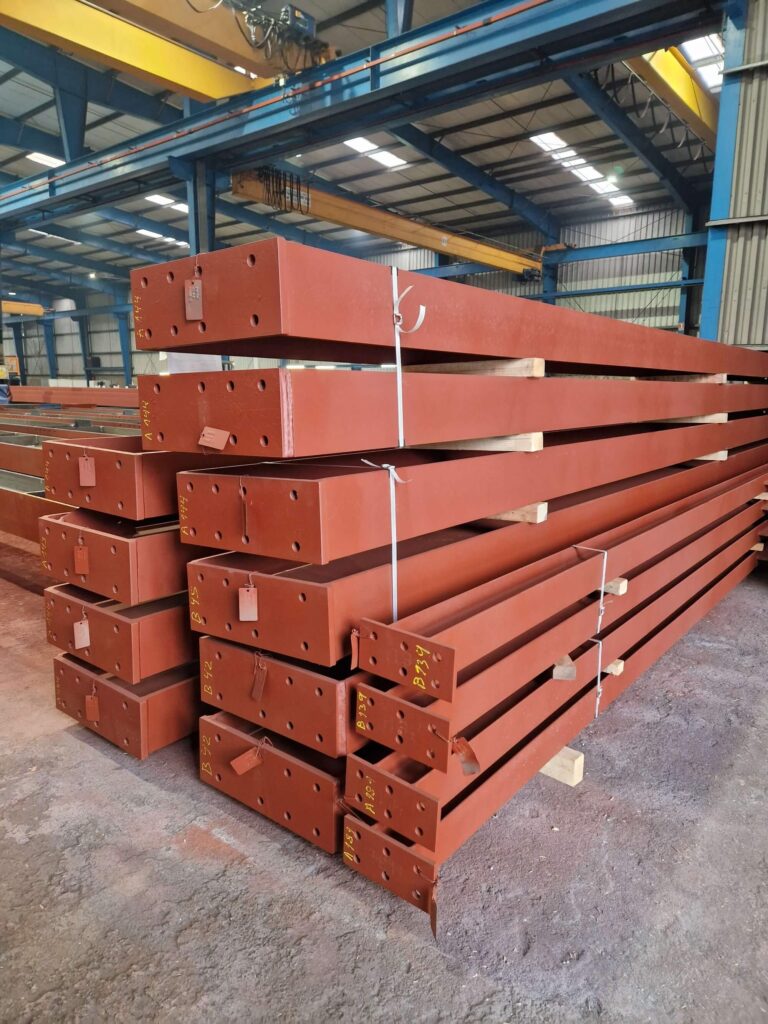
When it comes to sustainability in construction, the debate between steel and concrete remains key. To understand it objectively, we analyzed data from the Environmental Protection Agency (EPA) on the CO₂ emissions of both materials, and applied these values to a real case: a 600 m² industrial building with an average transport distance of 20 km to the construction site.
📊 Baseline emissions data per ton of material.
- Concrete: 265 kg CO₂ / tonne
- Steel: 694 kg CO₂ / ton.
At first glance, steel seems more polluting. However, the comparison changes completely when the amount of material required and the transport to the construction site are taken into account.
Practical example: a beam in an industrial building
Concrete beam (20 m long)
- Volume: 4 m³
- Density: 2,3 t/m³
- Total weight: 9.2 tons
- CO₂ emissions: 9.2 t × 265 kg CO₂/t = 2,438 kg CO₂.
Steel beam (21 m, IPE profile)
CO₂ emissions: 1.3 t × 694 kg CO₂/t = 902 kg CO₂.
Weight: 1.3 tons
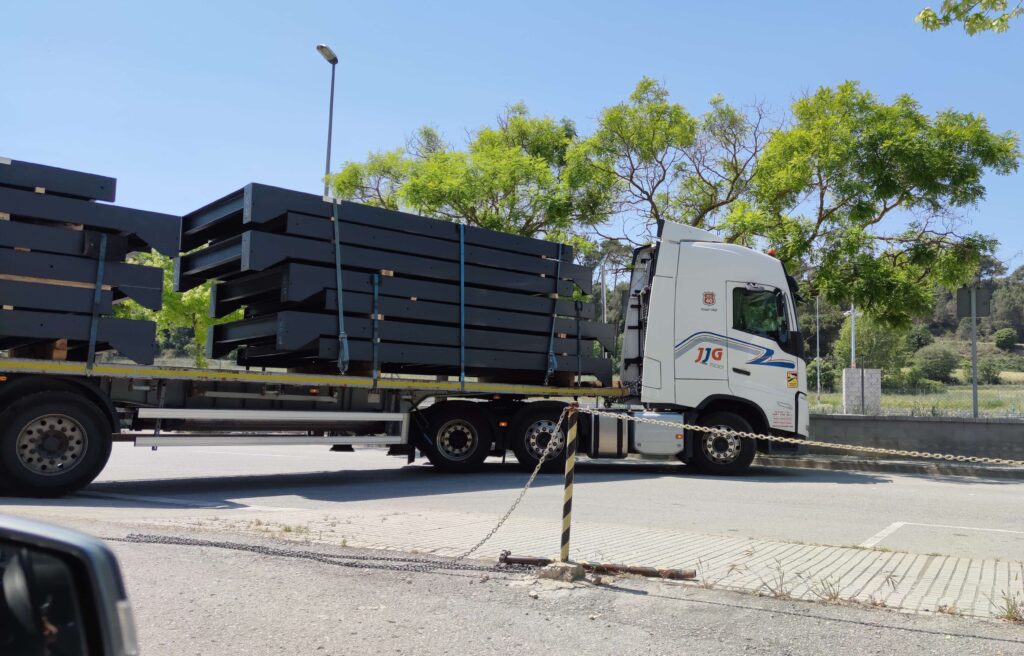
Transport of materials
A truck emits approximately 2.5 kg of CO₂ per liter of fuel and consumes about 40 liters every 100 km.
Steel:
1 truck × 20 km × 2.5 kg CO₂/l × (40 l / 100 km) = 100 kg CO₂
Concrete:
12 trucks × 20 km × 2.5 kg CO₂/l × (40 l / 100 km) = 1,200 kg CO₂.
Total CO₂ emissions in the construction of the building.
| Material | Manufacturing emissions | Transportation emissions | Total CO₂ |
|---|---|---|---|
| Concrete | 2,438 kg | 1,200 kg | 3,638 kg |
| Steel | 902 kg | 100 kg | 1,002 kg |
Conclusion
Although steel has higher emissions per ton produced, its lighter structural weight and transportation efficiency make it a more sustainable option for the overall project.
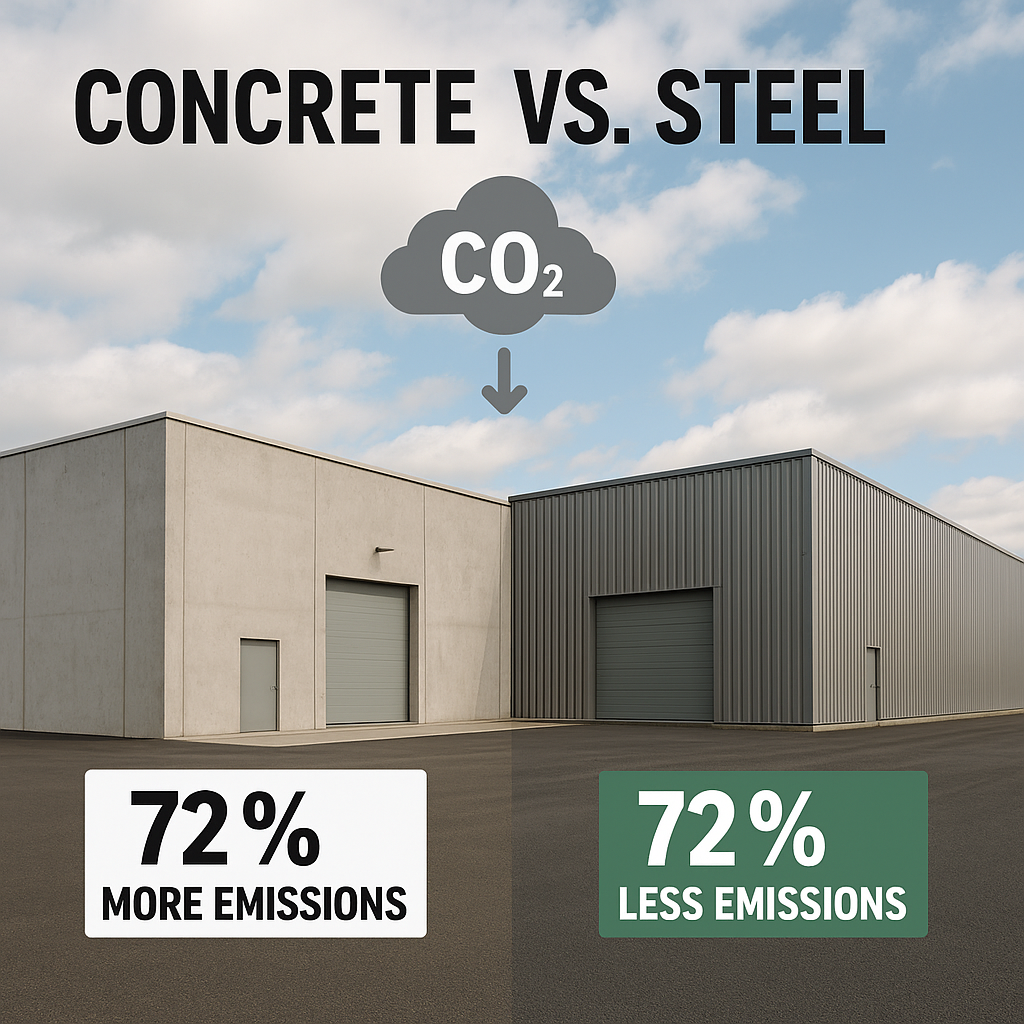
In the case analyzed, a metal industrial building generates 72% less CO₂ than its concrete equivalent (1,002 kg vs. 3,638 kg of CO₂).
In addition, steel offers other environmental advantages:
- Virtually 100% reusable and recyclable.
- Reduces construction time and waste generated.
- Allows for lighter and more efficient designs.
In a nutshell
Steel not only provides structural strength and precision, but also contributes to cleaner, faster and more sustainable construction.
In industrial projects, choosing steel structure is not only a technical decision, but also a commitment to reduce the actual carbon footprint of the building.